It is an instructional model designed to make invisible thinking processes visible. Like a trade, students transition from simple to complex, iteration and productive struggle are inherent, and the students have both agency and responsibility over their own progress.

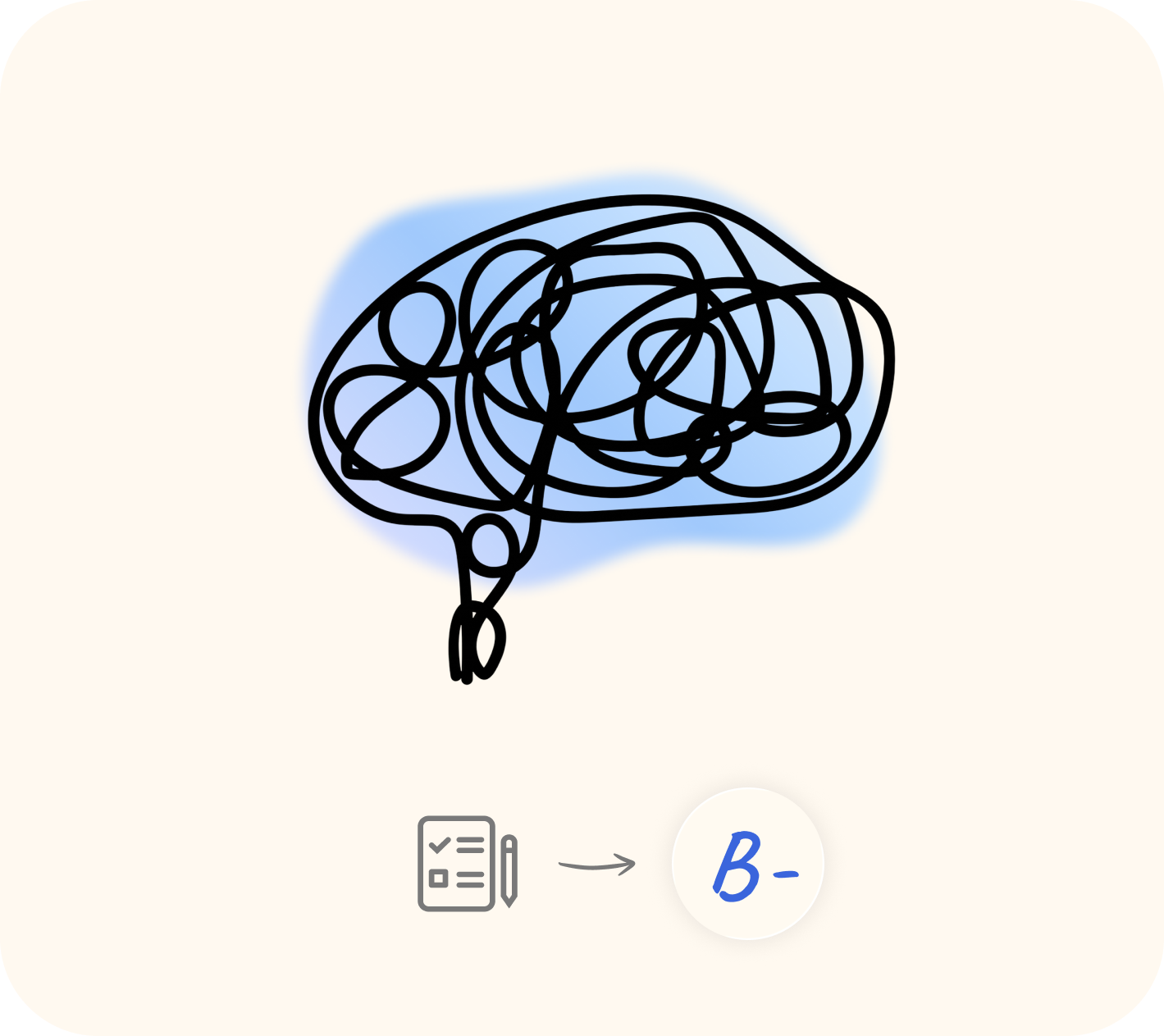
In most university courses, assessment is outdated and hasn’t changed in ages. A student submits an assignment. Many days or even weeks later, students get their grades back. By then, the student has moved on, and the opportunity to teach through feedback is gone.
This is not due to a lack of care from your instructors - they care deeply about their students. It is a structural problem with traditional assessment because it is designed to only evaluate.
But what if your assessments could do both? What if every assignment a student submitted became an opportunity to be coached by an expert - to see how disciplinary thinkers approach problems, to receive scaffolded guidance, to reflect on their own reasoning, and to revise with intention? This is cognitive apprenticeship, a learning theory introduced by Collins, Brown, and Newman (1987).
This is the promise of cognitive apprenticeship: a learning science framework that, when paired with AI-assisted feedback, can transform higher education assessment from a bottleneck into a learning engine.
Introduced by Collins, Brown, and Newman in 1989, cognitive apprenticeship asks a deceptively simple question:
If traditional apprenticeships are so effective at transmitting craft expertise, why don't we structure formal education the same way where productive struggle is a part of the learning process?
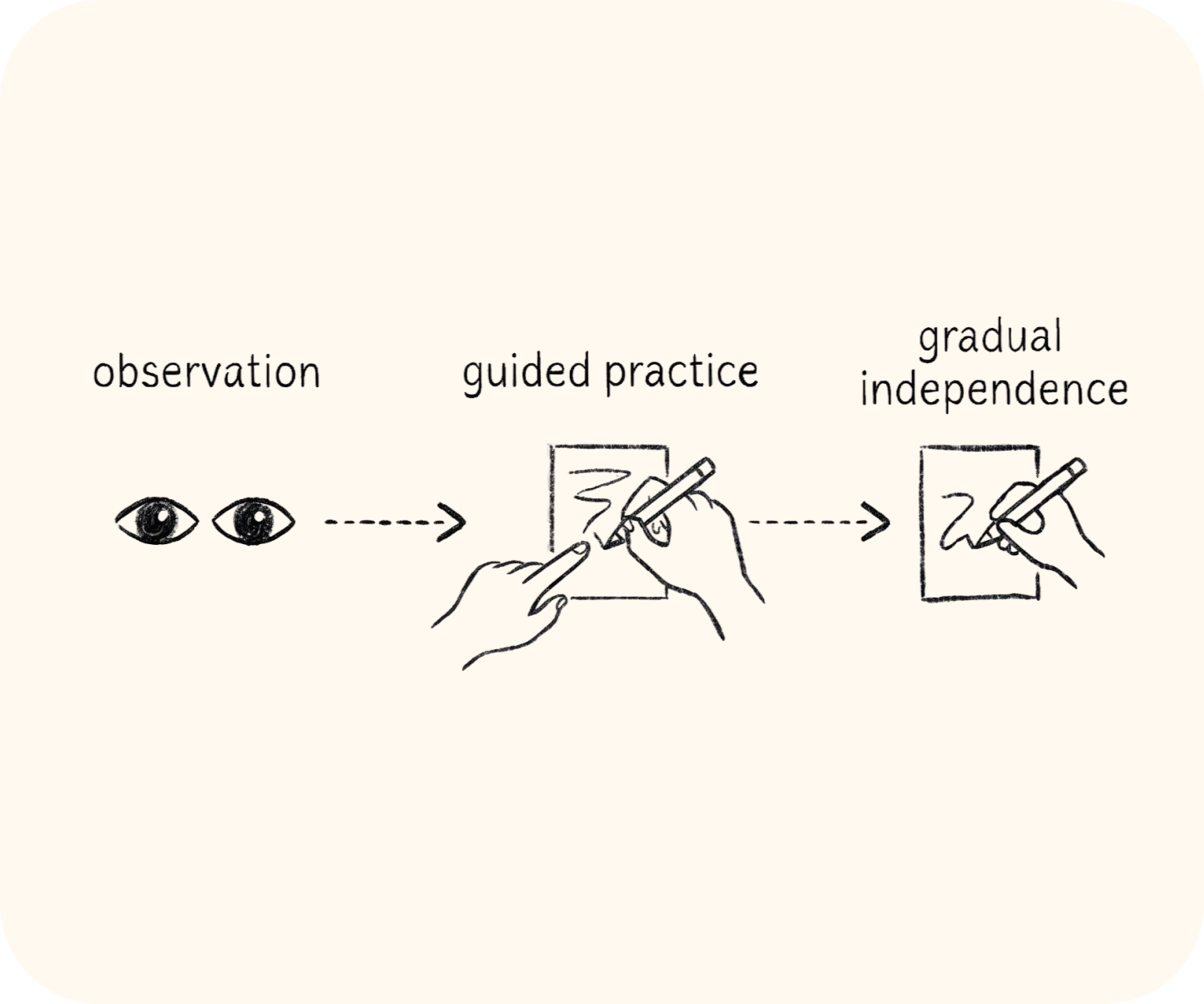
In a traditional apprenticeship (a blacksmith, a tailor, a surgeon-in-training) learning happens through observation, guided practice, and gradual independence. The expert’s evaluation is present and the novice's progress is scaffolded. When a strategic failure occurs, as part of the productive struggle, feedback is immediate and contextual.
Cognitive Apprenticeship also addresses academic integrity by focusing on the ethical, hardworking students. It supports and rewards the learning process rather than constraining assessment based on what cheaters might do.
Cognitive apprenticeship adapts this model for intellectual work. It rests on six core teaching methods:
1
Modeling
Demonstrating expert thinking and making the reasoning process visible
2
Coaching
Observing students and offering hints, feedback, and reminders
3
Scaffolding
Providing supports that gradually fade as competence grows
4
Articulation
Encouraging students to verbalize their reasoning
5
Reflection
Helping students compare their thinking to expert thinking
6
Exploration
Pushing students to pose and solve their own problems
These six methods describe what a great mentor does. The challenge for higher education has always been scale. How can one professor model, coach, and scaffold for 30, 100, or 400 students?
That's where AI-assisted feedback changes the equation.
Most assessments in higher education operate in a single mode: evaluation. They tell students how they did; not how to think, how to improve, or how experts approach the work.
Consider what's missing:
The result: students learn to produce the artifact, not to think like a practitioner in the discipline.


TimelyGrader isn't just an AI grading tool. It's an infrastructure for embedding cognitive apprenticeship into the architecture of your assessments.
Here's how it supports each of the six methods.
1
Modelling: Making Expert Thinking Visible
TimelyGrader generates feedback that demonstrates disciplinary reasoning. Instead of "weak thesis," students see what a strong thesis looks like, why it works, and what the expert would have done. Instructors can shape this modelling through advanced fine-tuning settings, customized rubrics, and exemplars, ensuring the AI reflects the discipline's tacit standards.
2
Coaching: Timely, Personalized Guidance
The "Timely" in TimelyGrader is intentional. Feedback delivered within minutes, not weeks, lets students act on it while they are still thinking about it. Instructor-curated, personalized comments address the specific items in the student’s work, just as a mentor would be looking over the shoulder.
3
Scaffolding: Supports That Adapt and Fade
Instructors can design assessment sequences in which early assignments offer richer guidance and later ones expect more independence. TimelyGrader supports differentiated feedback depth, so novices receive more direction while advanced students are pushed toward autonomy.
4
Articulation: Prompting Students to Explain Their Thinking
TimelyGrader makes it practical to assign reflective components alongside any deliverable: process memos, decision rationales, and self-explanations. AI feedback responds to these reflections, treating reasoning, not just output, as the object of assessment.
5
Reflection: Comparing Novice and Expert Thinking
Through structured feedback that contrasts the student's approach with expert approaches, TimelyGrader creates the conditions for genuine metacognitive insight. Students don't just see what to fix; they see how their thinking diverged from disciplinary norms.
6
Exploration: Enabling Iteration and Inquiry
Because feedback is fast and instructor time is preserved, instructors can design multi-draft, exploratory assignments that would be impossible to grade traditionally. Students can experiment, revise, and pursue their own questions, knowing meaningful feedback awaits each iteration.

A business professor teaching case analysis no longer has to choose between assigning one polished case per semester (gradable) or many cases (un-gradable). With TimelyGrader, she can assign a case every week, have students submit their analyses and a reasoning memo, and ensure every student receives feedback that models expert managerial thinking within hours.
A nursing instructor can scaffold clinical reasoning across a semester, starting with heavily guided care plans and gradually fading supports until students independently produce expert-level assessments.
A composition instructor can finally assign the four-draft writing process the field has long advocated, because each draft can receive substantive coaching without burning out the instructor.
In each case, the assessment is the teaching.
Cognitive apprenticeship doesn't replace the expert; it amplifies the expert.
TimelyGrader is designed to extend instructor expertise, not to substitute for it.
The instructor becomes the master craftsperson again: designing the studio, setting the standards, and stepping in where their judgment matters most.

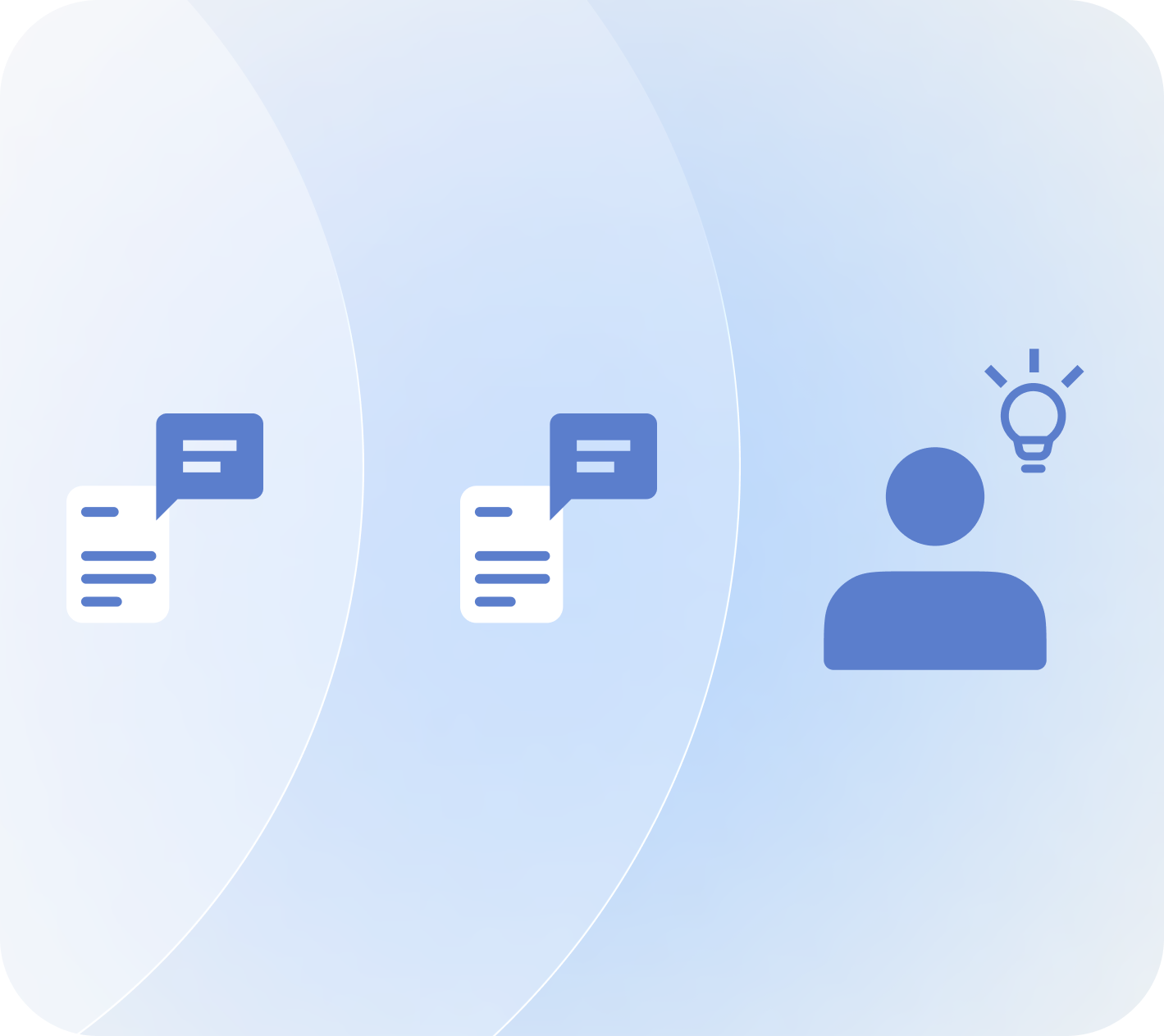
For decades, learning scientists have understood how expertise develops. The barrier was never the theory - it was delivering personalized mentorship and expert thinking to every learner, at scale. AI changes that equation.
With TimelyGrader, assessment is no longer where learning ends. It's where learning begins.
See how TimelyGrader supports cognitive apprenticeship in your discipline.